
Empire State University Remembers Longtime Faculty Member Robert Carey
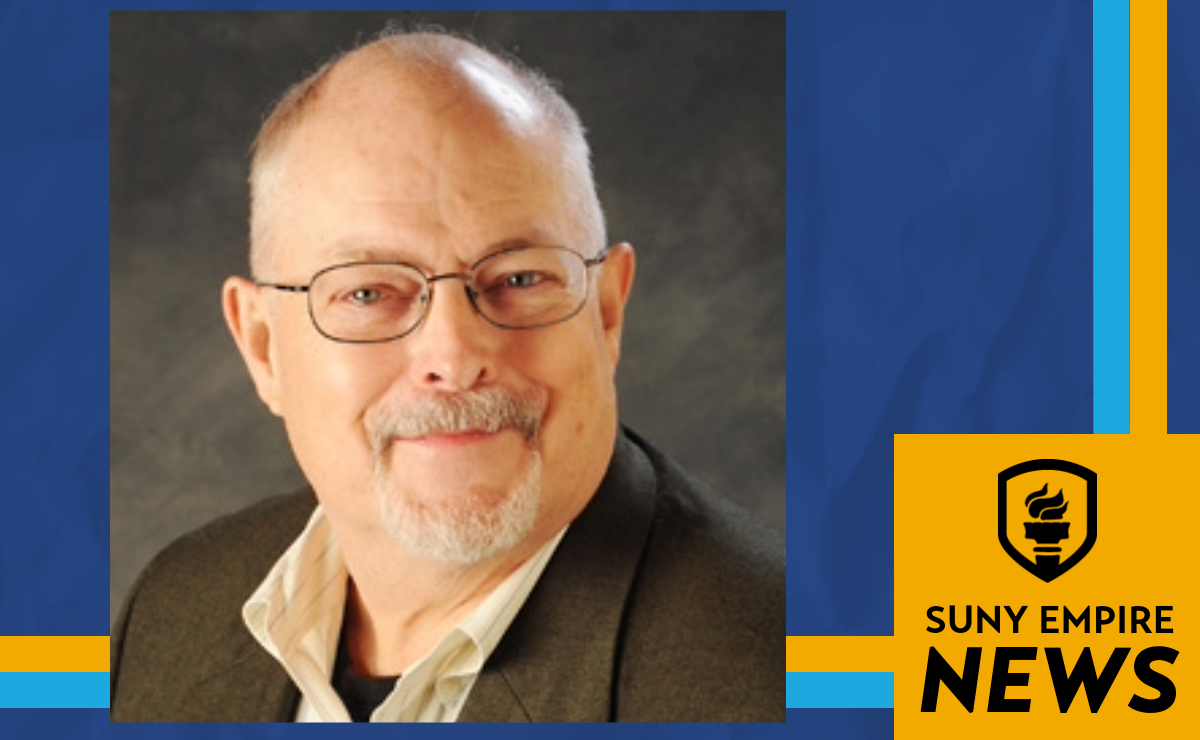
Empire State University is remembering longtime faculty member Robert “Bob” Carey, whose 45 years of service helped shape the university and expand educational opportunities for generations of students. Carey passed away at age 86.
Carey joined Empire in 1973 and remained with the university until his retirement in 2018. A Connecticut native, minister, former community organizer, and scholar who earned a Ph.D. in American history from Columbia University, he brought a deep commitment to education, social justice, and community to his work.
Throughout his career, Carey played an important role in Empire’s growth and evolution. He founded the university’s Urban Studies Center in New York City and created special programs with organizations including the Fashion Institute of Technology and Solidaridad Humana. He also served as associate dean of the Metropolitan Center, dean of the Graduate School, and faculty coordinator of Empire’s Staten Island location.
At the heart of Carey’s work was an enduring commitment to students. He was a devoted educator and mentor who continually sought new ways to help students remain engaged, progress in their studies, and achieve their goals. At Empire’s Brooklyn unit, he and colleague Steve Tischler explored innovative approaches to student engagement and academic support. That work contributed to the development of the Fortified Classroom Opportunity Program, which Carey helped create to provide students with additional support and pathways to success.
Carey’s dedication to Empire and its students extended well beyond his academic leadership. A generous philanthropist, he supported the Empire State University Foundation and served on its board of directors for six years. During that time, Carey and fellow faculty and board member David Fullard made the lead challenge gift for the university’s first giving day, inspiring more than 650 donations, at the time the largest single-day total in the university’s history.
Yet, as Fullard reflected, Carey’s “greatest legacy cannot be measured simply by institutional records, professional accomplishments, or the programs he helped establish.”
“His true legacy lives in the countless students whose lives he touched, whose intellectual abilities he strengthened, and whose educational and professional opportunities he expanded,” Fullard said.
“Bob’s commitment to education, social justice, community, and creating opportunities for others was extraordinary,” he continued. “Those of us who had the privilege of knowing and working with him will remember not only his intellect and accomplishments, but also his warmth, generosity, humor, and unmistakable Bob Carey spirit.”